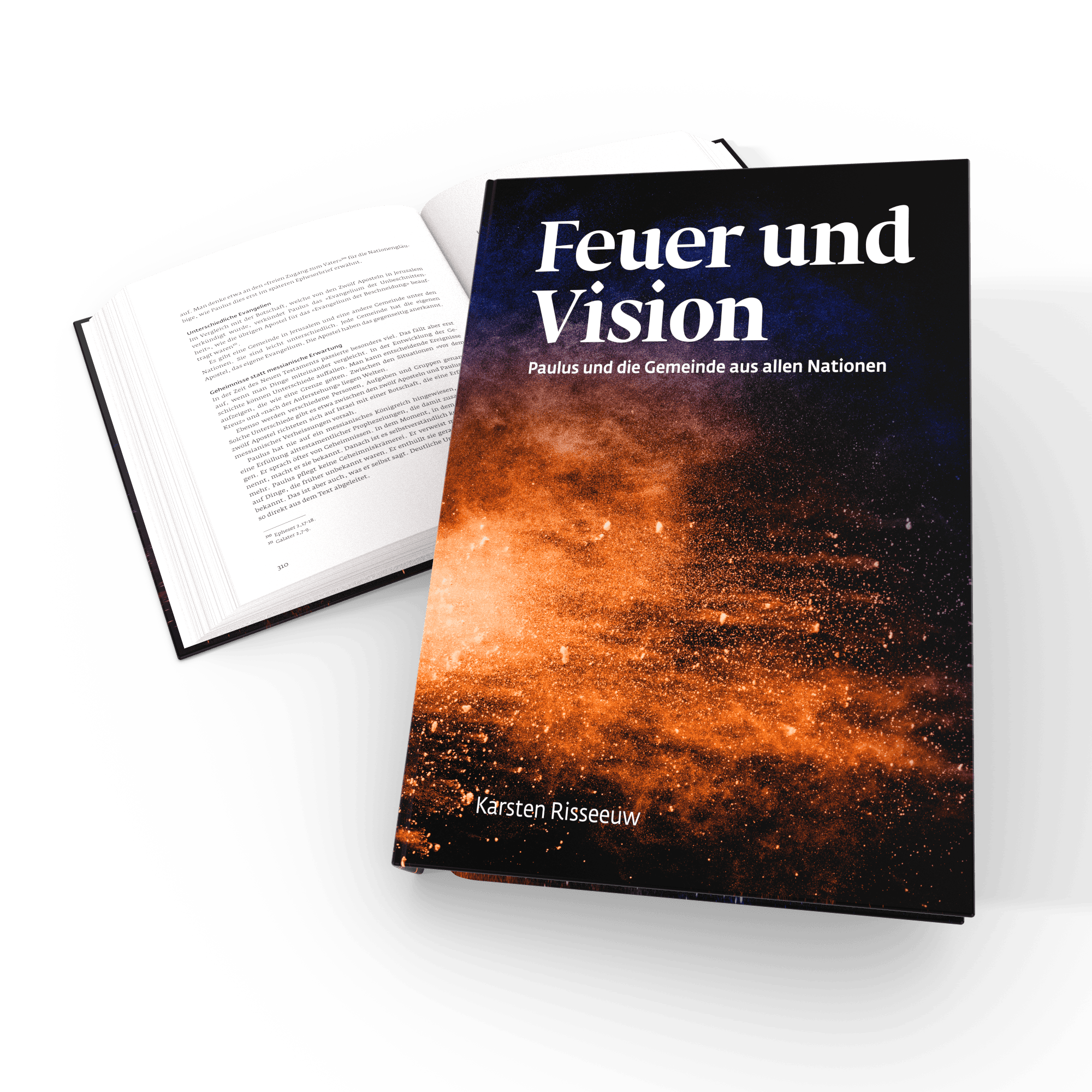
Fire and vision
Paul and the church from all nations
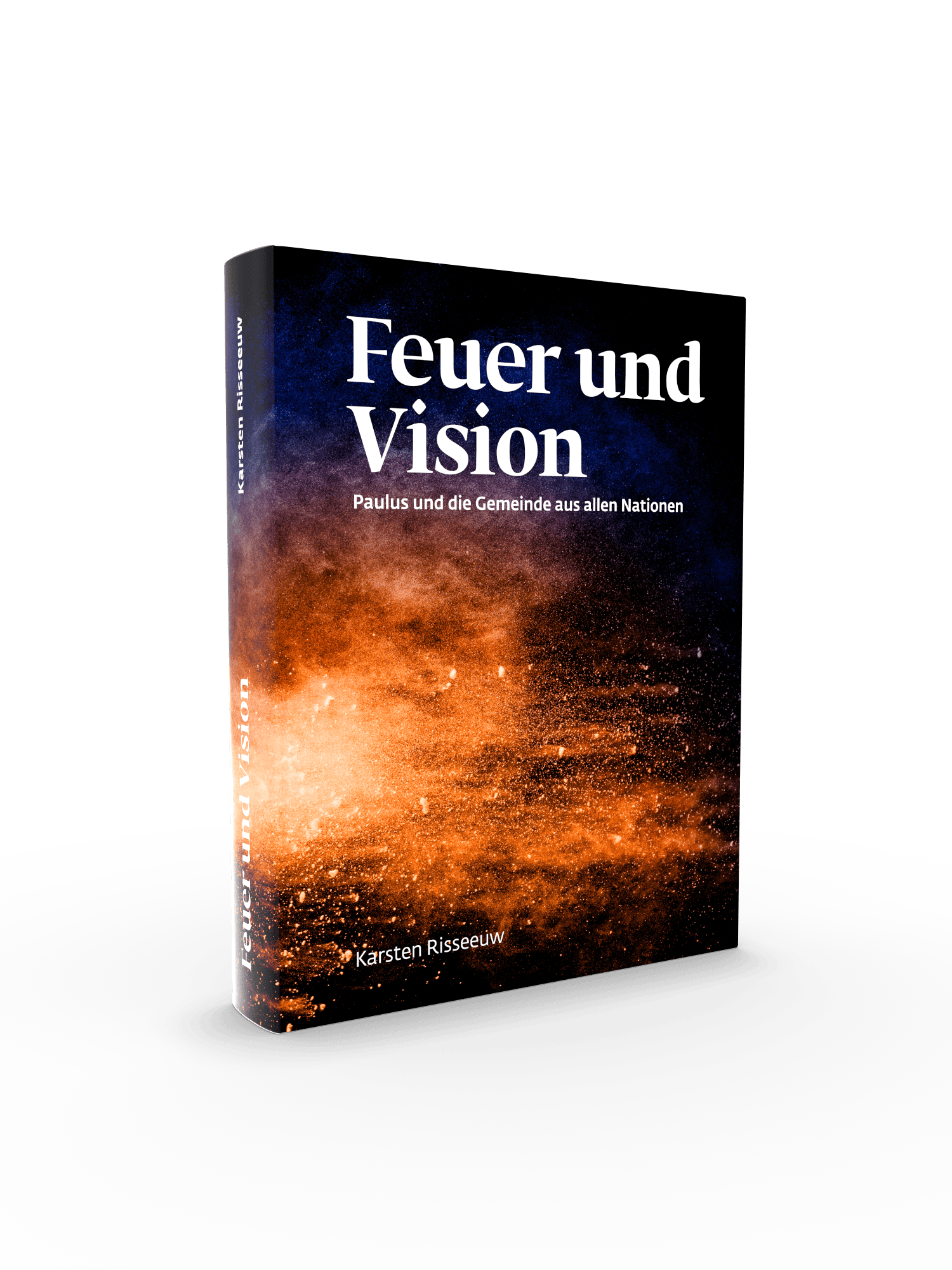
Book titleFeuer und VisionSubtitlePaul and the church from all nationsAuthorKarsten RisseeuwStarting dateNovember 27, 2025Pages504GenreTheologyLanguageGermanDescriptionThe calling and mission of the Apostle Paul as an example of a development in the New TestamentAvailable asHardcover, Softcover, e-BookISBN HC9789083630014ISBN SC9789083630007ISBN e-Book9789083630021Distributiontredition.de
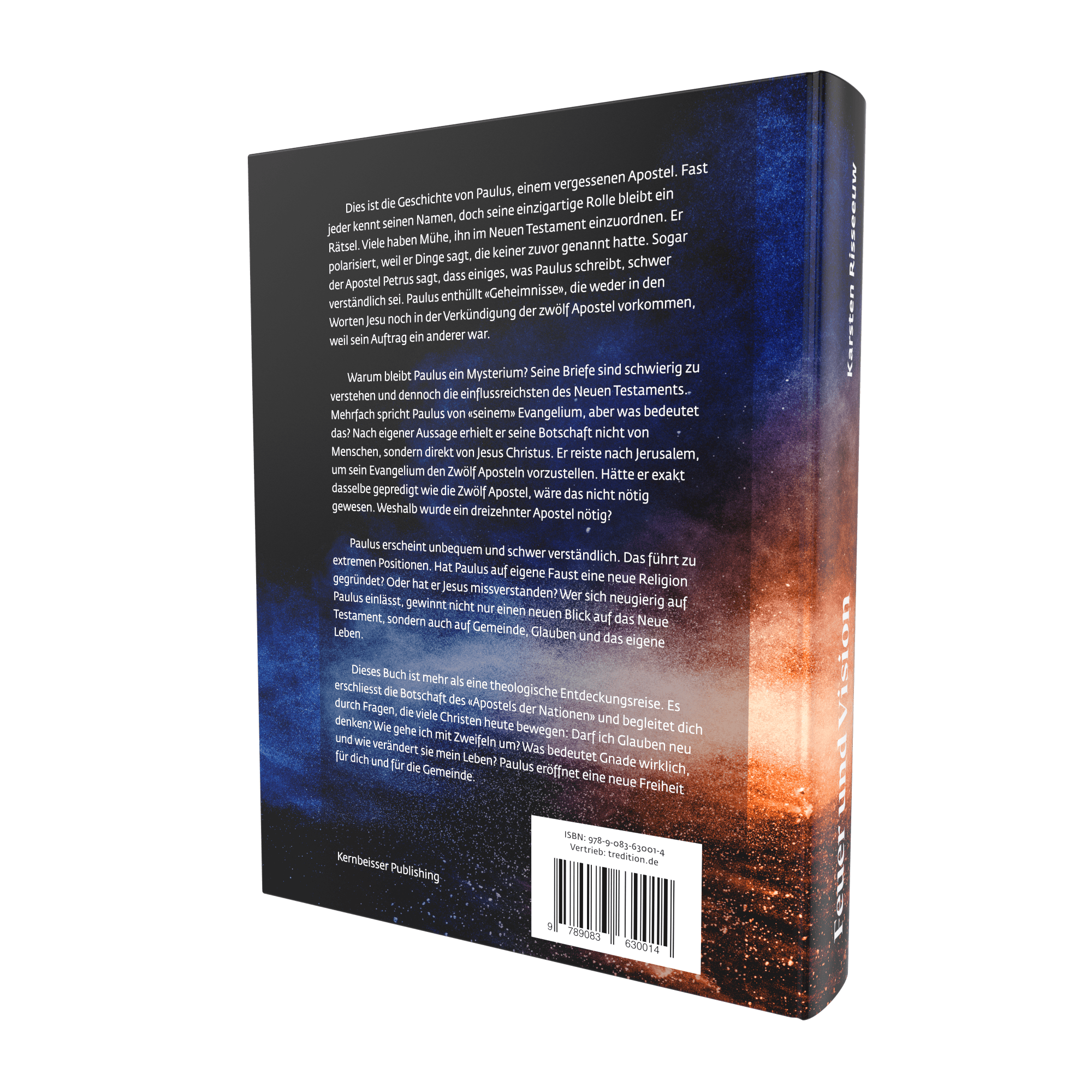
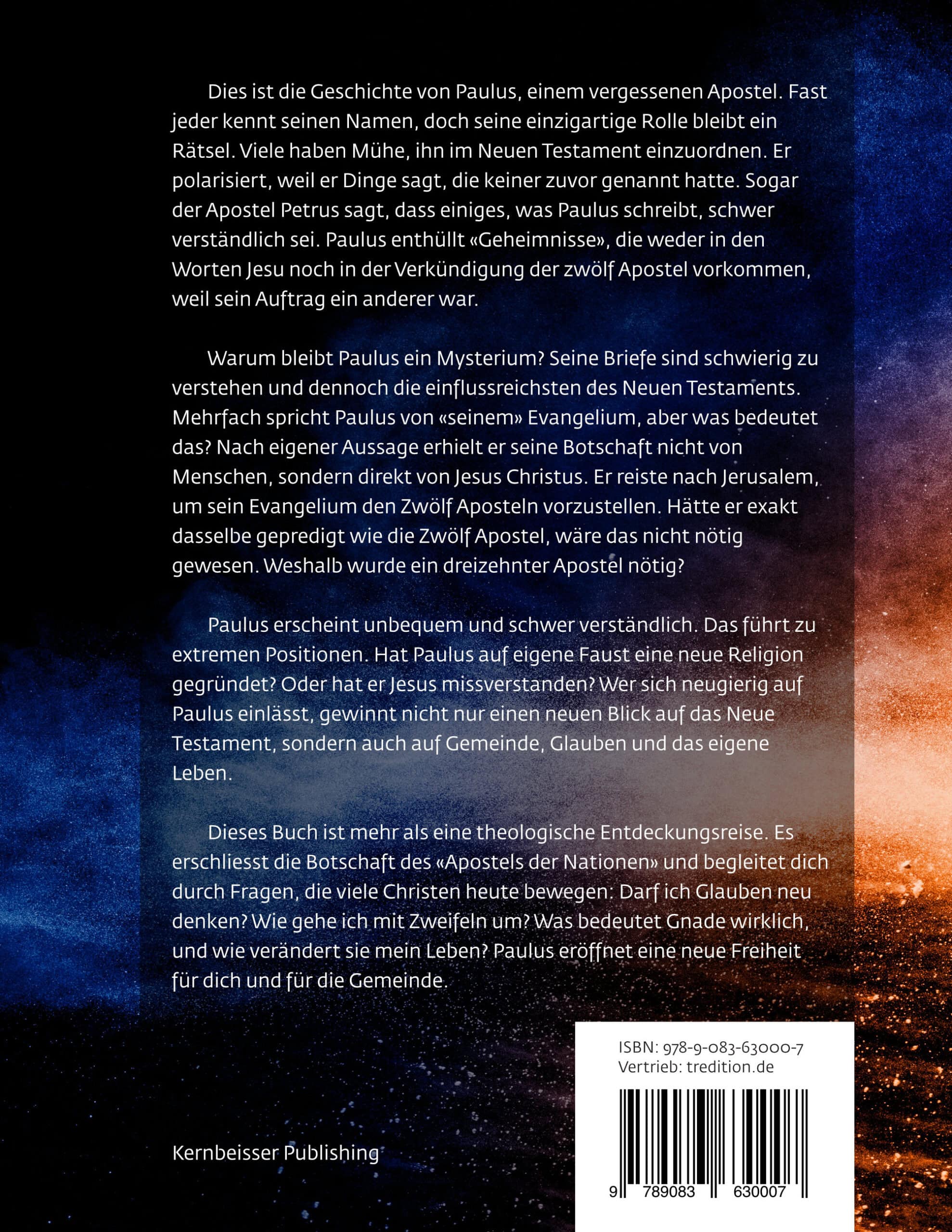
Back cover
This is the story of Paul, a forgotten apostle. Almost everyone knows his name, but his unique role remains a mystery. Many find it difficult to place him in the New Testament. He polarizes people because he says things that no one has said before. Even the apostle Peter says that some of what Paul writes is difficult to understand. Paul reveals “secrets” that do not appear in the words of Jesus or in the preaching of the twelve apostles because his mission was different.
Why does Paul remain a mystery? His letters are difficult to understand, yet they are the most influential in the New Testament. Paul speaks repeatedly of “his” gospel, but what does that mean? According to his own account, he did not receive his message from people, but directly from Jesus Christ. He traveled to Jerusalem to present his gospel to the twelve apostles. If he had preached exactly the same thing as the twelve apostles, that would not have been necessary. Why was a thirteenth apostle needed?
Paul seems uncomfortable and difficult to understand. This leads to extreme positions. Did Paul found a new religion on his own initiative? Or did he misunderstand Jesus? Anyone who is curious about Paul will not only gain a new perspective on the New Testament, but also on the church, faith and their own life.
This book is more than a theological journey of discovery. It opens up the message of the “Apostle to the Nations” and accompanies you through questions that move many Christians today: Can I rethink faith? How do I deal with doubts? What does grace really mean and how does it change my life? Paul opens up a new freedom for you and for the church.
Is this book for you?
This book is intended for curious people. It should be particularly valuable for those grappling with questions of faith and processes of deconstruction who do not want to give up either their faith or their intellectual integrity. It is also aimed at church leaders and theologians who are seeking a biblically grounded alternative to performance-based piety. It is for everyone who senses that there must be more than what we have heard so far.
Freedom in faith
This book is not an easy read; rather, it challenges the reader to engage with its ideas. That is precisely where its value lies: growth comes from engaging with ideas, not from simple answers. It encourages conversation and shared learning.
This is what you can expect:
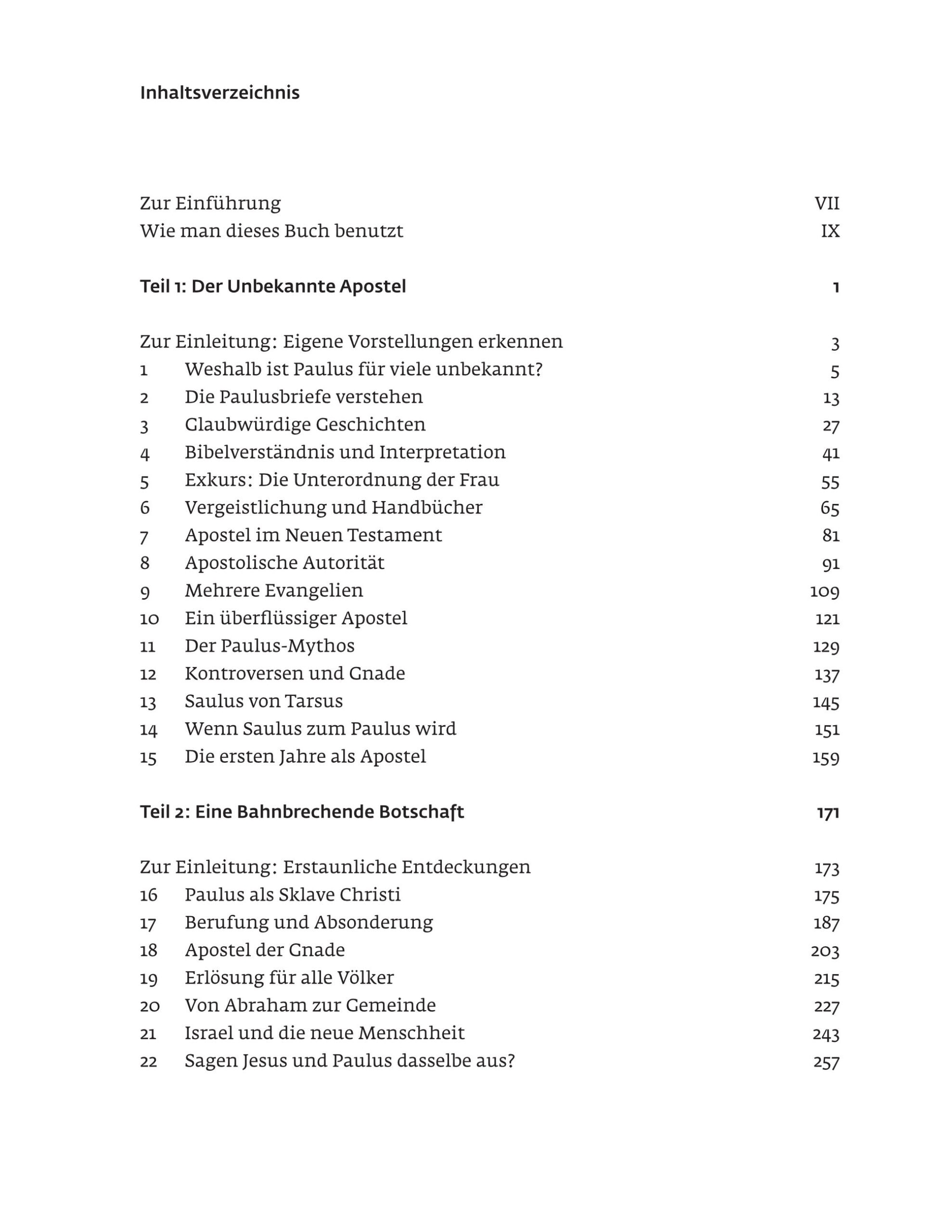
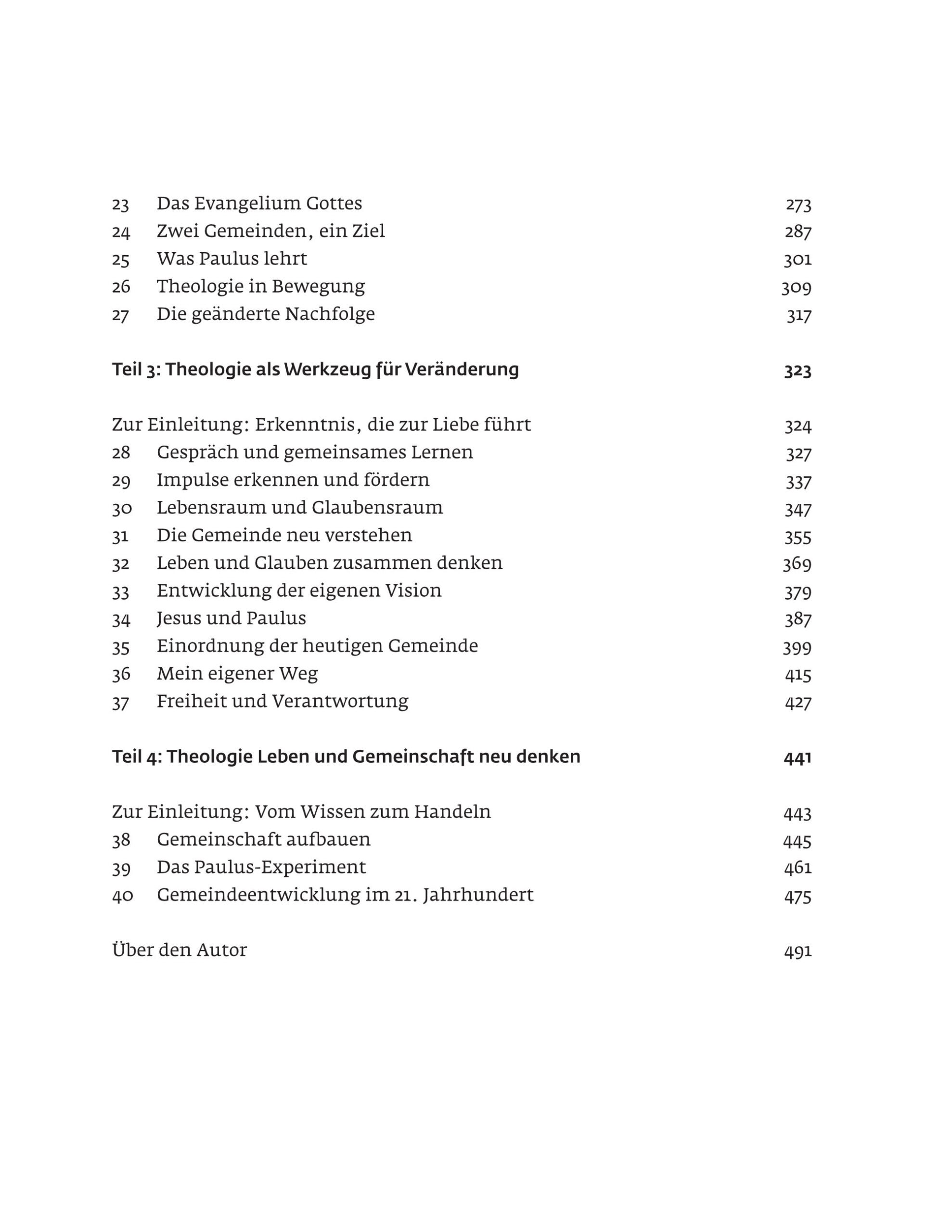
- A systematic introduction to Paul’s independent gospel, which differs from the preaching of Jesus and the Twelve.
- A biblically based perspective that places grace above performance and sees the church as a place of freedom.
- Tools for dealing with doubts and theological questions without giving up faith.