



Paul could be called the “unknown apostle”. Everyone knows his name, but many people find it difficult to categorize him. You hear things like “Jesus is easy, but Paul is difficult”. Quite a few people can’t relate to Paul at all. Others simply assign him to the twelve apostles. Hardly anyone seems to understand why the apostle was called and what his exclusive mission was.
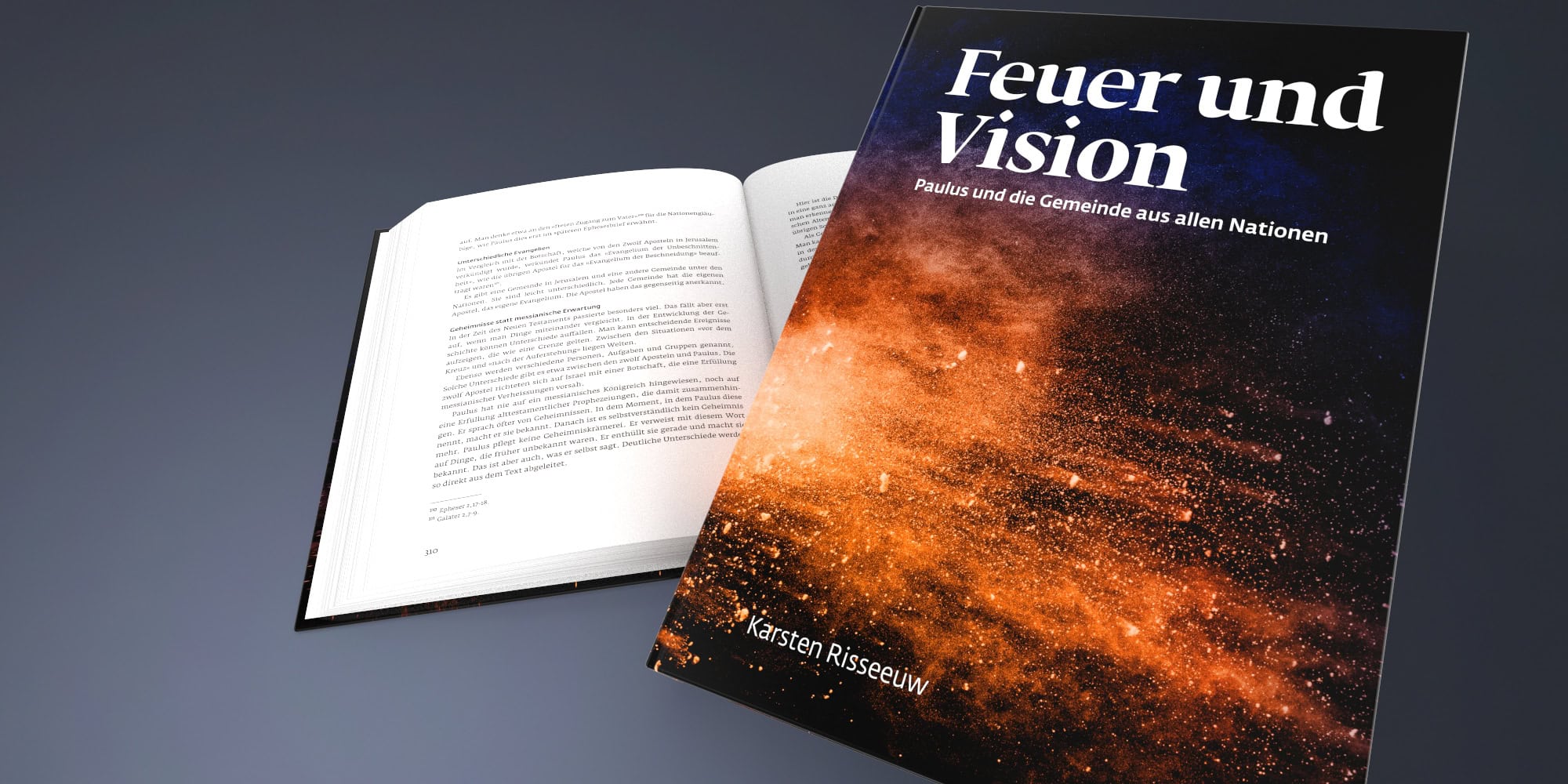
My book “Fire and Vision” has just been published. It is an introduction to the New Testament based on the calling and mission of the Apostle Paul. The subtitle is therefore: “Paul and the church from all nations”.
If you trace the history and development of Paul and his vocation, you also learn many other details about the time. There were tangible challenges that were not easy to categorize (such as the cross and resurrection), expectations were disappointed (such as the kingdom not being established for Israel) and there was stunning news that no one had expected (such as a new church being called from all nations). Many things were not easy to understand. The first believers had to deal with many changes. That was often a challenge.
A key to understanding the New Testament
The book “Fire and Vision” talks about Paul, who began his ministry in the middle of this time. It is also logical to ask in what context he began his service. He was not alone as an apostle. There were already twelve apostles. But why was a thirteenth apostle needed? Isn’t that strange? Were twelve not enough?
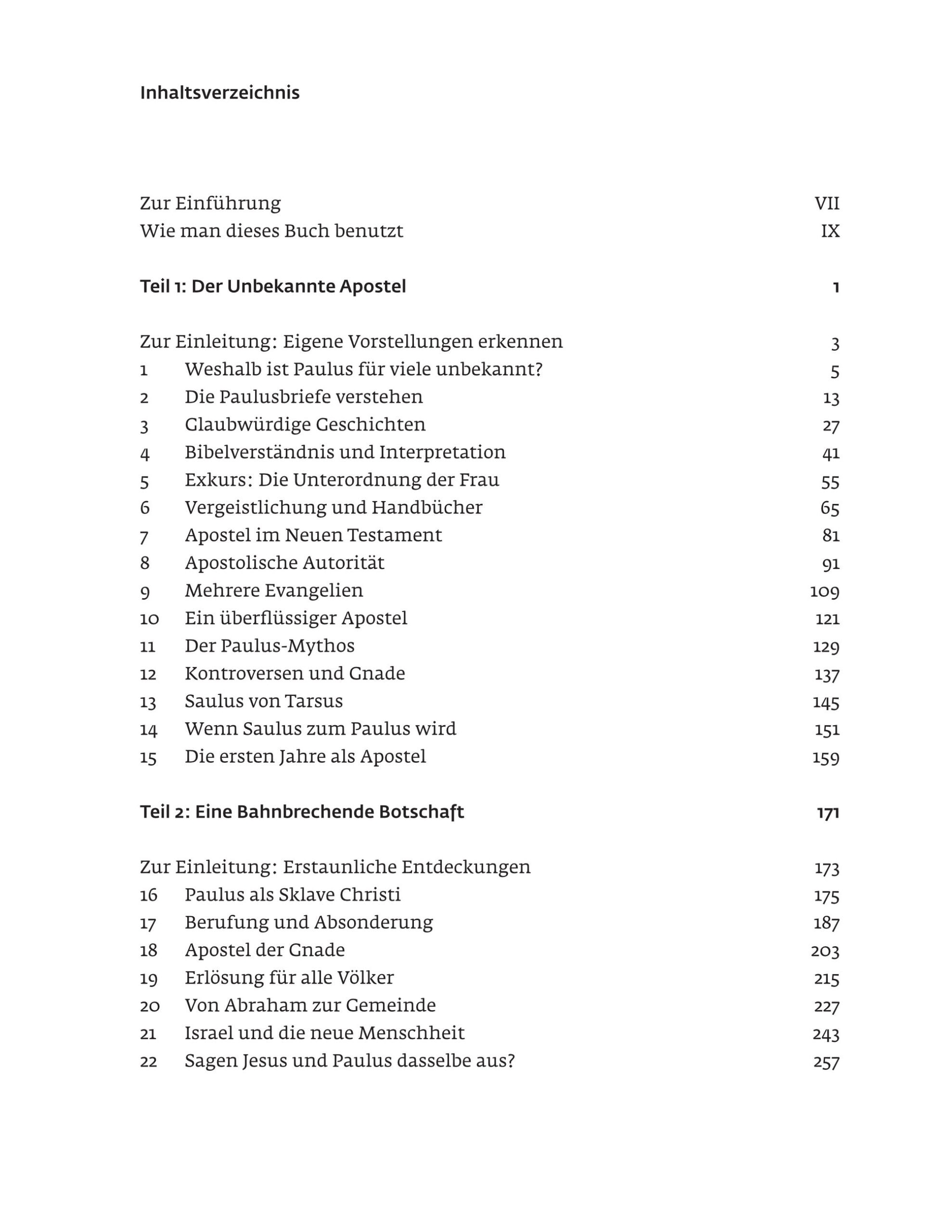
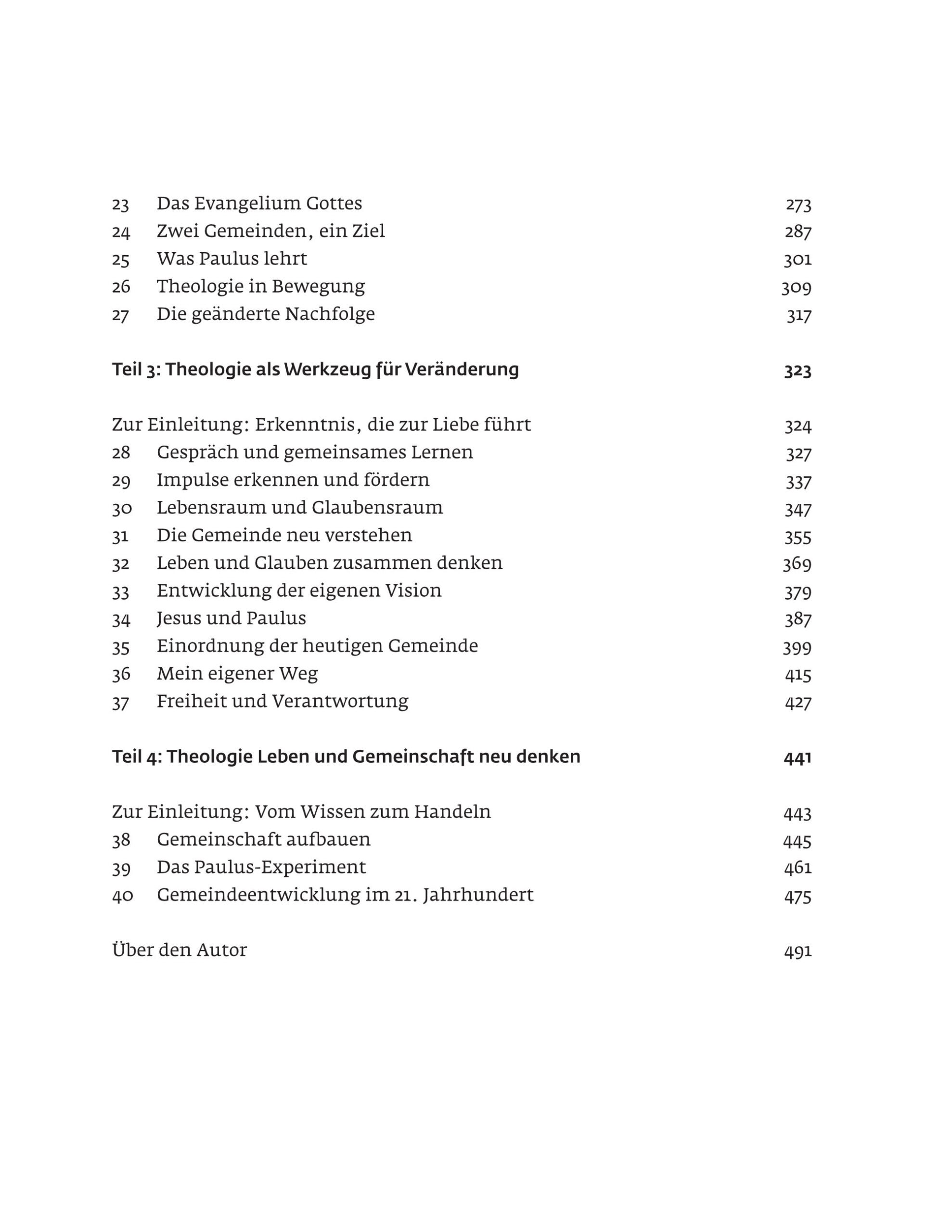
So this book is about more than just Paul, but about a development in the New Testament. Contrary to some people’s understanding, the New Testament is not about a single story and a single narrative. Rather, it is about several groups and several gospels. Embedded in this is the extraordinary development of today’s church, which appeared together with Paul.
If you understand Paul, his unique calling and task, then you get something like a key to a better understanding of the New Testament.
Several times in his letters Paul speaks of “my gospel”, as if this were different from other gospels. He goes to Jerusalem specifically to present “his gospel” to the apostles in Jerusalem. Why was that necessary? It is often tacitly assumed that Paul proclaims exactly the same thing as the twelve apostles. But what if this is not the case? So is Paul simply a henchman of the twelve apostles, or was he called with his own vocation and for his own mission?
Voyage of discovery
My book deals with all these questions in detail. The approach is to let the text speak for itself in its own context. In addition, one should not draw conclusions from the present to the past. Rather, one can pretend to be in the time of the New Testament, just as confused and searching as many believers at the time, and then follow developments with excitement. This approach provides a unique insight into this first period. We don’t know the future yet and are struggling to understand what is happening. Everything seems to be in upheaval. This is the time when Paul was called.
A vision on the road to Damascus outlines an encounter between Paul and the Risen Christ. The experience literally “blew Paul away” and “struck him with blindness”. Paul suddenly went from being a persecutor to a worshipper. One could say that Paul was not converted at all, but was directly transformed and reoriented by Christ Jesus himself. To put it casually, he was immediately “reversed”. This was the starting point of an incredible journey of discovery and the beginning of a new kind of community. With him, the first churches with believers from all nations came into being , called the “body of Christ” by Paul.
A new perspective
By reading this book, you can develop a new perspective on the New Testament. It is not just about typical doctrinal questions, such as whether something is “right” or “wrong”, but also about recognizing the thinking behind the assumptions and points of view. It also shows how you can develop differentiated perspectives by asking questions carefully and not jumping to conclusions.
The book is therefore also something of a guide for developing a new Christian identity when previous views are no longer helpful. It promotes a shared learning culture, encourages independent debate and aims to facilitate maturity rather than blind obedience to human teachings.
Fire and Vision talks about Paul and the vision he had to carry out into the world, as well as your and my fire as believers and how to develop and achieve a vision. In the book, I deliberately ask how theology can help with transformation and what the vision of a new kind of Christian community can be.
Now available
The German-language book is available now. Further information can be found here: